
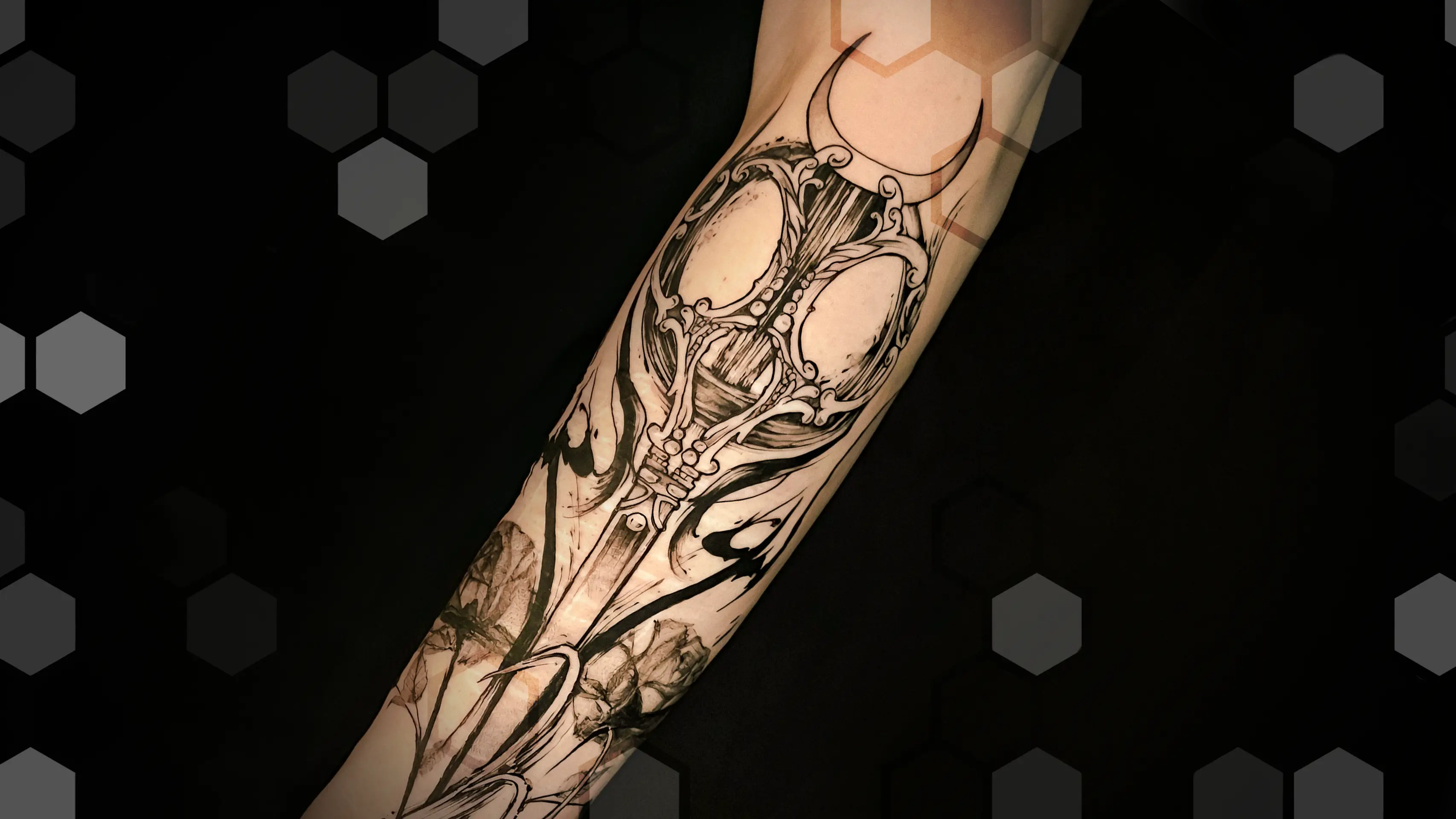
Scar Cover Up Tattoos
Turning Scars Into Art: Scar Cover-Up Tattoos – Creative Healing for the Skin
Scars stay with us for life. They are visible traces of pain, surgery, or accidents—often tied to deeply personal stories. While some people wear their scars with confidence, embracing them as part of their journey, others experience them as uncomfortable reminders or emotional burdens.
A scar cover-up tattoo offers a unique opportunity: to turn a visible scar into a piece of art that can be shown with pride. Rather than hiding the past, it transforms it—creatively, meaningfully, and powerfully. It’s a process that can be liberating, both visually and emotionally.
What Is a Scar Cover-Up Tattoo?
In a cover-up tattoo, scars are either fully concealed or seamlessly integrated into a new design. Floral patterns, geometric shapes, ornamental motifs, or animals can mask the scar completely—or incorporate it as part of the overall artwork. The result is no longer a reminder of injury, but a symbol of strength, healing, and new beginnings.
Whether a cover-up is possible depends on the scar itself. The skin must be fully healed—in most cases, this means waiting 12 to 18 months. Fresh or raised (keloid) scars are usually not suitable. A skilled tattoo artist will assess the area beforehand and help determine the best way to bring the design to life.
Popular Areas for Scar Cover-Up Tattoos
The location of a scar strongly influences how a cover-up can be designed—both artistically and technically. Some areas are especially common and offer unique opportunities for creative transformation. What matters most is how well the tattoo works with the shape and texture of the scar, and how naturally it fits the surrounding part of the body.
Abdomen and C-section scars
One of the most common cover-up requests involves C-section scars or other surgical marks on the stomach. Floral designs, ornamental shapes, or geometric patterns work well here, flowing elegantly along the scar line. Mandalas, vines, and wave-like structures are especially popular, as they follow the body’s natural curves. These tattoos can visually elongate the torso and turn the scar into a beautiful, decorative element.
Wrist and hand
Scars on the wrist or hand are highly visible and emotionally charged for many people. Small, delicate tattoos are ideal for this area—symmetrical patterns, lettering, symbolic shapes, or minimalist animals. A tattoo here can feel almost like jewelry, similar to a bracelet or fine accessory, giving the scar a new meaning and presence.
Leg, knee, and ankle
Scars on the leg, knee, or ankle are often the result of injuries or surgery. Since these areas are less uniform in shape, dynamic designs like animals in motion, abstract forms, tribal elements, or nature-inspired themes work particularly well. These designs can follow the scar’s flow and blend it into the piece. Long scars along the leg are ideal for winding elements like snakes, vines, or waves that create a visual rhythm in tune with the scar’s shape.
Thigh
The thigh offers plenty of space and therefore a wide range of design options. Large motifs like mandalas, floral compositions, or landscape-style tattoos can fully cover the scar—or feature it as a central part of the design. Women often opt for ornamental or botanical styles here, while men may choose geometric forms or bold symbolic imagery.
Chest and back
Scars on the chest or back are also a common reason for cover-ups. Here, symmetrical ornaments, wide-winged animals, or abstract artworks can take full advantage of the available space and completely transform the scar into something beautiful and empowering.
Scar Cover-Up Artists at Blade & Shade in Lucerne
A great cover-up takes more than artistic talent. It requires sensitivity, experience, and a true understanding of skin, form, and the story behind the scar. At Blade & Shade in Lucerne, you’ll find exactly that. Our specialized tattoo artists are experienced in working with scar tissue and know how to turn a healed wound into meaningful, lasting art.
You carry a scar that you’re ready to transform? Now is the right time. Book your free and non-binding consultation at Blade & Shade and find out what’s possible for your skin.
Frequently Asked Questions


